Founder Wealth FAQ: Earnings, Endorsements, and Business Holdings

How to read a founder's net worth: what proxy statements disclose, what pledged shares and lock-ups hide, and what endorsement figures actually measure.

How to read a founder's net worth: what proxy statements disclose, what pledged shares and lock-ups hide, and what endorsement figures actually measure.
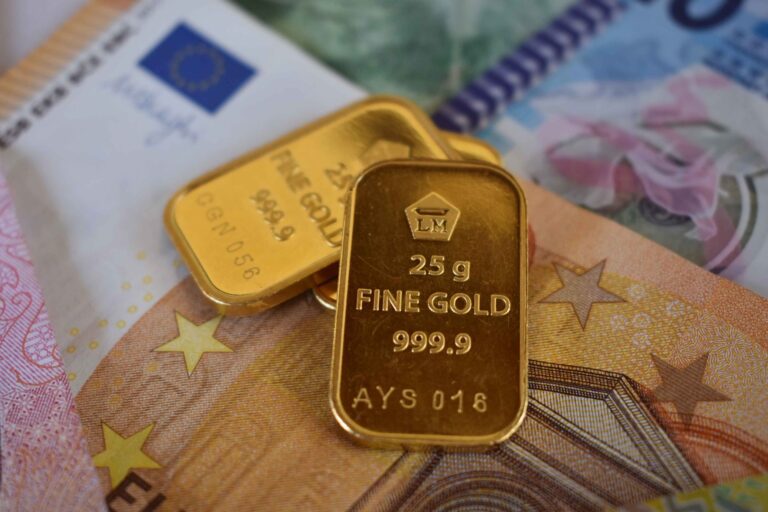
See how today's millionaires split their money between stocks, bonds, property and private companies, and why the data sources disagree.
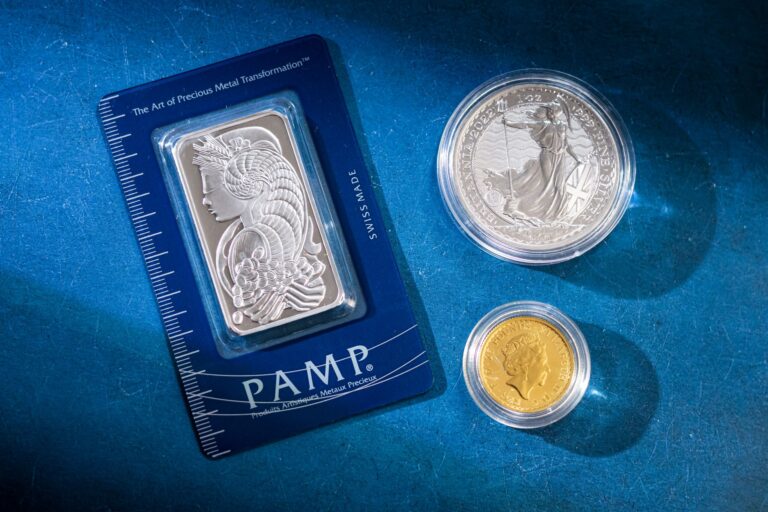
See what actually makes up a new billionaire's fortune, from private company stakes to property, and how rankings put a value on it.
Elon Musk tops AI billionaire rankings at $820 billion, but Jensen Huang's $162.5 billion infrastructure wealth dwarfs every AI software founder by orders of magnitude.
Billionaire rankings measure net worth, not income or liquid cash—and 95% of top billionaires hold most wealth locked in company equity, not accessible funds.
Comparison net worth tells you where you stand against your age cohort—hitting your age median puts you ahead of 50% of your peers and opens doors to credit and mortgages.
Verify public company holdings through SEC EDGAR, real estate via county records, and complete net worth only through bankruptcy filings—but private business wealth remains largely unverifiable.

What brand ambassadors actually earn — the $37,960 BLS median, why contractors are missing from it, and how equity exits really pay.

Separates Ronaldo's Forbes-estimated $1.2B into salary, the Pestana and Insparya stakes, WHOOP equity and property — and flags which numbers are unverified.

No wealth tracker publishes a mindset score — here is how Forbes and Bloomberg actually rank a fortune, and why they disagree.