
Charles Leclerc’s net worth is estimated between $50 to $70 million as of 2026, though some estimates reach as high as $125 million depending on the source and valuation methodology. At 26 years old, the Ferrari driver has accumulated significant wealth primarily through his lucrative Formula 1 contract, endorsement deals, and business ventures. For context, Leclerc’s current Ferrari salary alone ($34 million annually) places him among the highest-paid drivers on the grid, ahead of veterans like Fernando Alonso and Lando Norris who earn $20 million each.
His wealth accumulation reflects both his on-track success with Ferrari and his strategic positioning as one of F1’s most marketable talents. Beyond salary, Leclerc generates income through sponsorships, appearances, and increasingly through business interests like his ice cream venture. His financial profile demonstrates how modern professional athletes diversify revenue streams beyond their primary employment contract.
Table of Contents
- How Does Charles Leclerc Earn His Estimated Net Worth?
- The Reality Behind Formula 1 Driver Earnings
- Inside the Ferrari Contract and Performance Bonuses
- Endorsements and Personal Brand Monetization
- The Ice Cream Venture and Business Expansion
- Net Worth Calculation and Estimation Challenges
- Future Wealth Trajectory and Long-Term Outlook
- Conclusion
How Does Charles Leclerc Earn His Estimated Net Worth?
Leclerc’s income flows from multiple channels, with his Ferrari contract representing the foundation of his wealth. His $34 million annual base salary, negotiated as part of his long-term deal through 2029, provides substantial guaranteed income. Performance bonuses can push this figure to approximately $50 million per year in seasons where Ferrari performs strongly, creating significant year-to-year variation in his earnings.
This contract structure is typical for top F1 drivers, though Leclerc’s figure ranks him among the sport’s elite earners. Endorsements and sponsorships contribute an estimated $10 million annually to Leclerc’s income. His partnerships include major brands that leverage his status as Ferrari’s lead driver and one of Formula 1’s most recognizable faces. The sponsorship landscape in Formula 1 has evolved significantly, with drivers now having more control over personal brand endorsements outside their team’s primary partnerships, allowing drivers like Leclerc to monetize their image directly.
The Reality Behind Formula 1 Driver Earnings
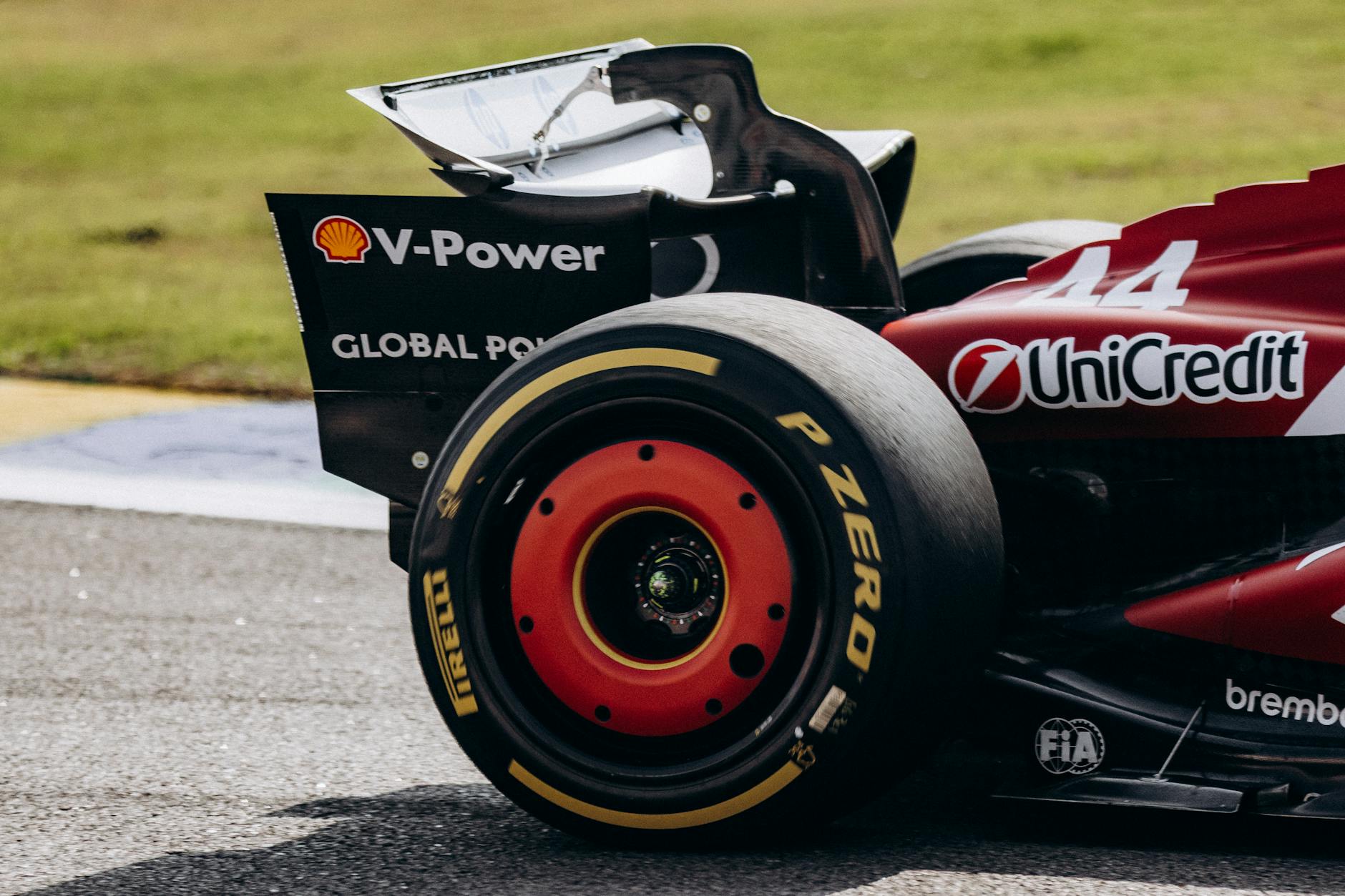
While $34 million annually may sound extraordinarily high, the costs associated with professional motorsport competition must be contextualized. Ferrari’s salary structure reflects the driver’s responsibility for delivering results on one of the sport’s most demanding teams, with championship expectations that come with immense pressure. The salaries also account for the career lifespan reality—most drivers have only 10 to 15 years of peak earnings potential, requiring aggressive compensation during their competitive years.
It’s important to note that published salary figures represent gross earnings before taxes, management fees, and agent commissions. Leclerc, like all high-earning athletes, employs financial advisors and management teams that take percentages of his earnings. Geographic considerations also matter—Leclerc benefits from tax advantages by being based in Monaco, where certain forms of income receive favorable treatment compared to other jurisdictions. Additionally, unlike salaried professionals, F1 drivers bear personal responsibility for insurance, training regimens, and preparation costs that come out of their net earnings.
Inside the Ferrari Contract and Performance Bonuses
Leclerc’s contract with Ferrari, announced in January 2024 and running through 2029, represents a major financial commitment from the Scuderia and security for the driver. The five-year extension signals Ferrari’s confidence in his future performance and their willingness to compete for driver talent against rival teams. This contract stability allows Leclerc to plan long-term investments and business ventures with confidence in his income stream.
Performance bonuses create a significant variable component in his total compensation. A strong championship performance or consistent podium finishes throughout a season can add $15 to $20 million to his base salary. This incentive structure aligns driver compensation with team success, though it also creates volatility in annual earnings depending on Ferrari’s competitiveness. In seasons where Ferrari underperforms relative to rival teams like Red Bull or McLaren, bonus structures may yield less payout, creating notable differences in Leclerc’s total compensation year to year.
Endorsements and Personal Brand Monetization
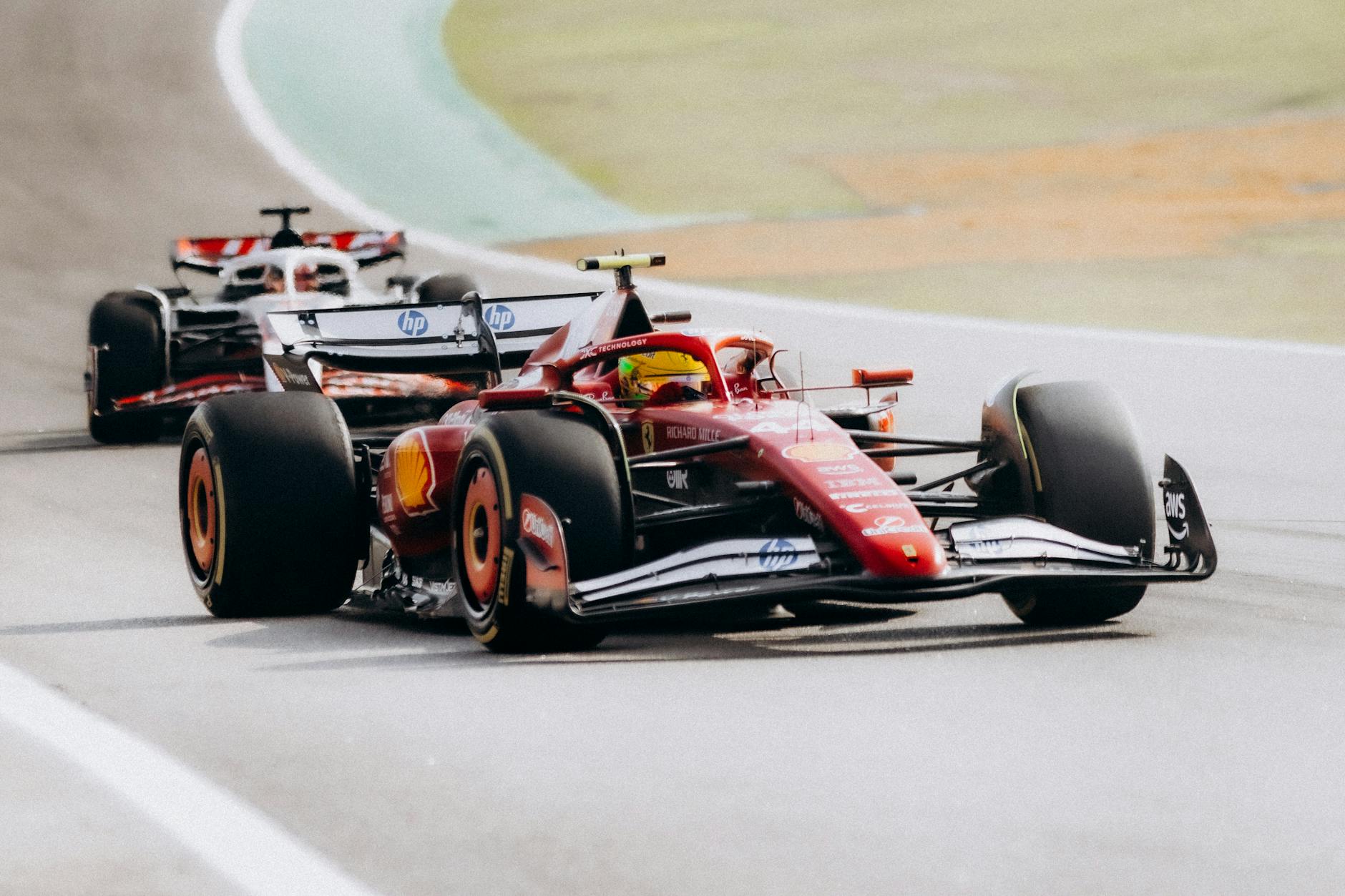
Beyond his Ferrari salary, Leclerc’s marketability as a personality has created substantial endorsement opportunities. The estimated $10 million annually from sponsorships places him in the upper tier of F1 drivers for commercial appeal. Major brands target Leclerc for campaigns across luxury goods, automotive, consumer electronics, and lifestyle products. His role as Ferrari’s lead driver amplifies his appeal to premium brands seeking association with both the driver and the iconic team.
Personal sponsorship deals differ from team-level sponsorships, which Ferrari itself negotiates separately with major partners. Leclerc’s direct relationships allow him to capitalize on his individual fan following, particularly strong in Europe and among younger demographics. Compared to older drivers like fernando Alonso who may have equal on-track credentials but less social media engagement, Leclerc’s ability to connect with younger audiences makes him particularly valuable to consumer brands targeting millennial and Gen Z consumers. However, sponsorship income can fluctuate based on performance, scandals, or changes in brand partnership strategies.
The Ice Cream Venture and Business Expansion
In 2024, Leclerc co-founded an ice cream company (LEC) in partnership with the GROM gelato chain, representing his first major business venture beyond driver earnings and endorsements. This investment signals Leclerc’s intention to build long-term wealth independent of his racing career. The ice cream business provides both current revenue potential and serves as a hedge against career-ending injuries, which remains a realistic risk in motorsport. Business ventures for athletes require careful consideration, as they can distract from primary performance responsibilities or create conflicts with team obligations.
Leclerc’s partnership with an established gelato company mitigates some startup risks, as GROM brings operational expertise and existing distribution networks. The ice cream market, particularly in Europe where Leclerc has strong brand recognition, offers growth potential. However, like all business ventures, the ice cream company carries risk of underperformance or changing consumer preferences. Limited public information exists about the company’s valuation or profitability, so its contribution to Leclerc’s current net worth remains largely speculative.

Net Worth Calculation and Estimation Challenges
The $50 to $70 million net worth estimate represents gross assets minus liabilities, though precise figures are difficult to verify since Leclerc, as a private individual, doesn’t file public financial statements. Various celebrity net worth databases compile estimates based on reported salaries, publicly discussed contracts, sponsorship announcements, and estimated asset values. The divergence between conservative ($50-70 million) and aggressive ($125 million) estimates reflects different methodologies and varying assumptions about asset valuations.
Assets likely include luxury real estate, vehicle collections, and investment portfolios typical of wealthy athletes. Monaco residents like Leclerc often maintain property in multiple locations for tax and personal preference reasons. Without access to private financial records, net worth figures should be treated as educated estimates rather than confirmed figures. The range of estimates demonstrates how difficult it is to pin down precise wealth for individuals whose income includes performance bonuses, variable endorsements, and private business interests.
Future Wealth Trajectory and Long-Term Outlook
Leclerc’s net worth is positioned to grow substantially if Ferrari returns to championship competitiveness, as success would likely trigger bonuses and create opportunities for even more lucrative sponsorship deals. His current five-year contract through 2029 provides income certainty during what should be his peak earning years, typically between ages 26 and 31. If Ferrari becomes a championship contender, bonus structures could regularly push his annual earnings toward $50 million, significantly accelerating wealth accumulation.
The long-term wealth trajectory also depends on Leclerc’s investments and business ventures. The ice cream company could appreciate substantially if it achieves significant market share in Europe. Beyond racing, Leclerc has the potential to build a personal brand that extends into media, team ownership, or other ventures common among retired drivers. Drivers who manage their personal brands strategically, like Fernando Alonso, have successfully transitioned earnings into diverse income streams beyond their F1 careers, suggesting similar opportunities exist for Leclerc post-retirement.
Conclusion
Charles Leclerc’s estimated net worth of $50 to $70 million reflects his position as one of Formula 1’s elite earners, driven primarily by a $34 million annual Ferrari salary with potential bonuses reaching $50 million in strong seasons. His income also includes approximately $10 million annually from endorsements and sponsorships, plus emerging revenue from his ice cream business venture founded in 2024. At 26 years old, Leclerc is still in his peak earning years, with a five-year contract through 2029 providing income stability.
Understanding Leclerc’s wealth requires looking beyond simple salary figures to consider the full earnings ecosystem—performance incentives, sponsorship opportunities, business investments, and tax efficiency strategies that high-earning athletes employ. His net worth is not merely accumulated through driver salary but represents strategic personal branding and business diversification. As his career progresses and potential returns from business ventures materialize, Leclerc’s net worth could exceed current estimates, particularly if Ferrari achieves championship success that triggers substantial performance bonuses.